When people say ‘research ethics,’ they tend to refer to bureaucracy and institutions. This may involve, for example, university approvals and institutional review boards. As a team, we have all at some point in our lives worked at universities; we know a lot about how Universities practise ‘ethics’. This includes everything between the bureaucratic tick-boxing that protects the University for insurance purposes, to the communities university research approaches often extract from.
This creates the conditions in which research is defined by the narrow structures of the University, which limits the parameters of what can be defined as ‘knowledge’, restricting our imaginations, and evaluating research through reductionist, neoliberal metrics which undermine the radical potentialities of our work. This centres institutions in defining what is ethical, what constitutes risk, and what is legitimate knowledge – extractively devaluing and objectifying knowledges outside of and in the margins of the University.
As we build and nurture our research at Healing Justice Ldn, we are committed to practising ethical research differently. To do this, we need to prototype and build research infrastructure (practices, approaches, processes, systems), in community with others, so we can practise research that is accountable to communities and movements.
By bringing together multiple voices and experiences to develop collective sense-making, relationality and our entanglement stay integral to accountability.
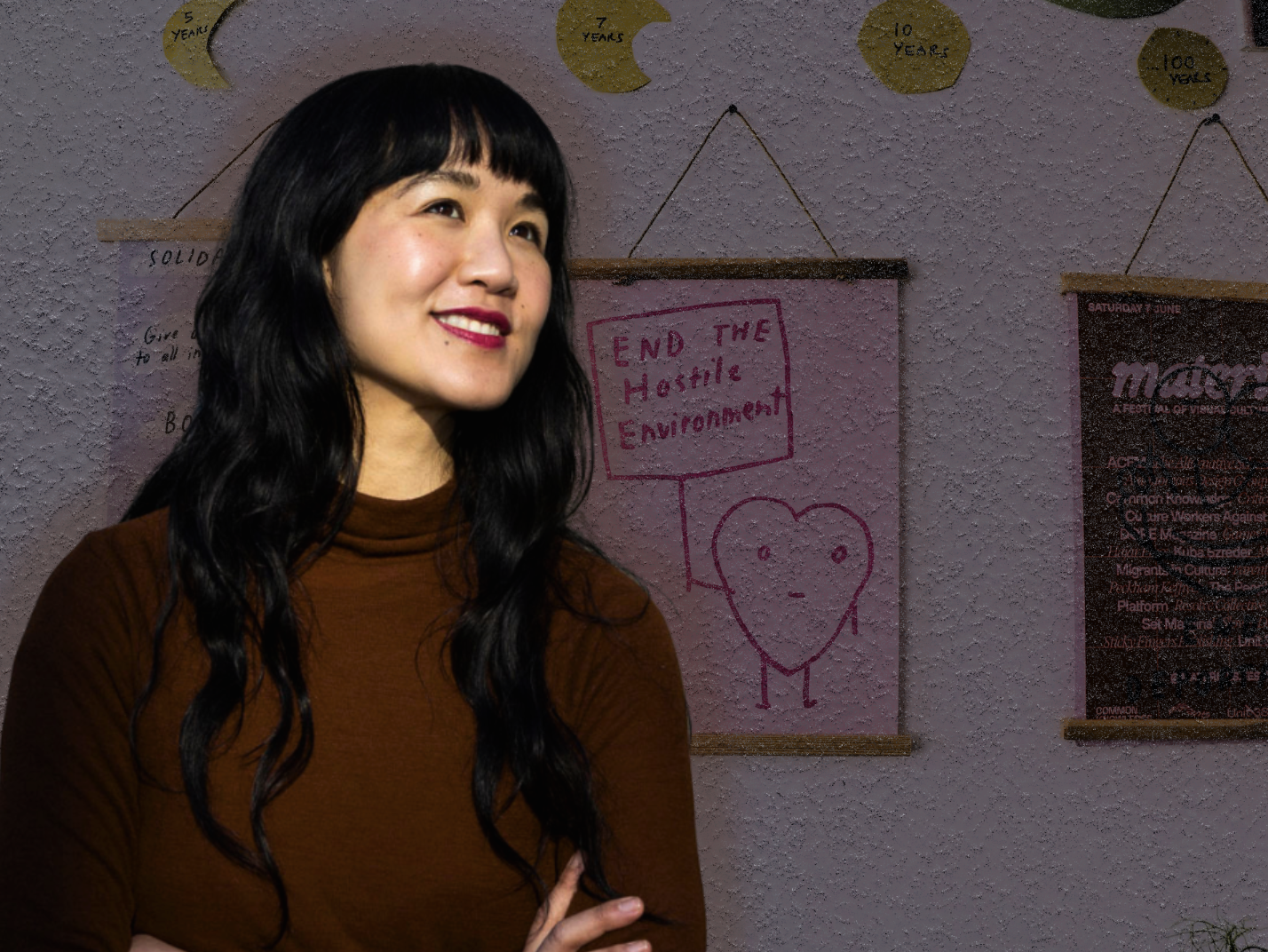
Dr Tarek Younis
Why an ethics group speaks to this need
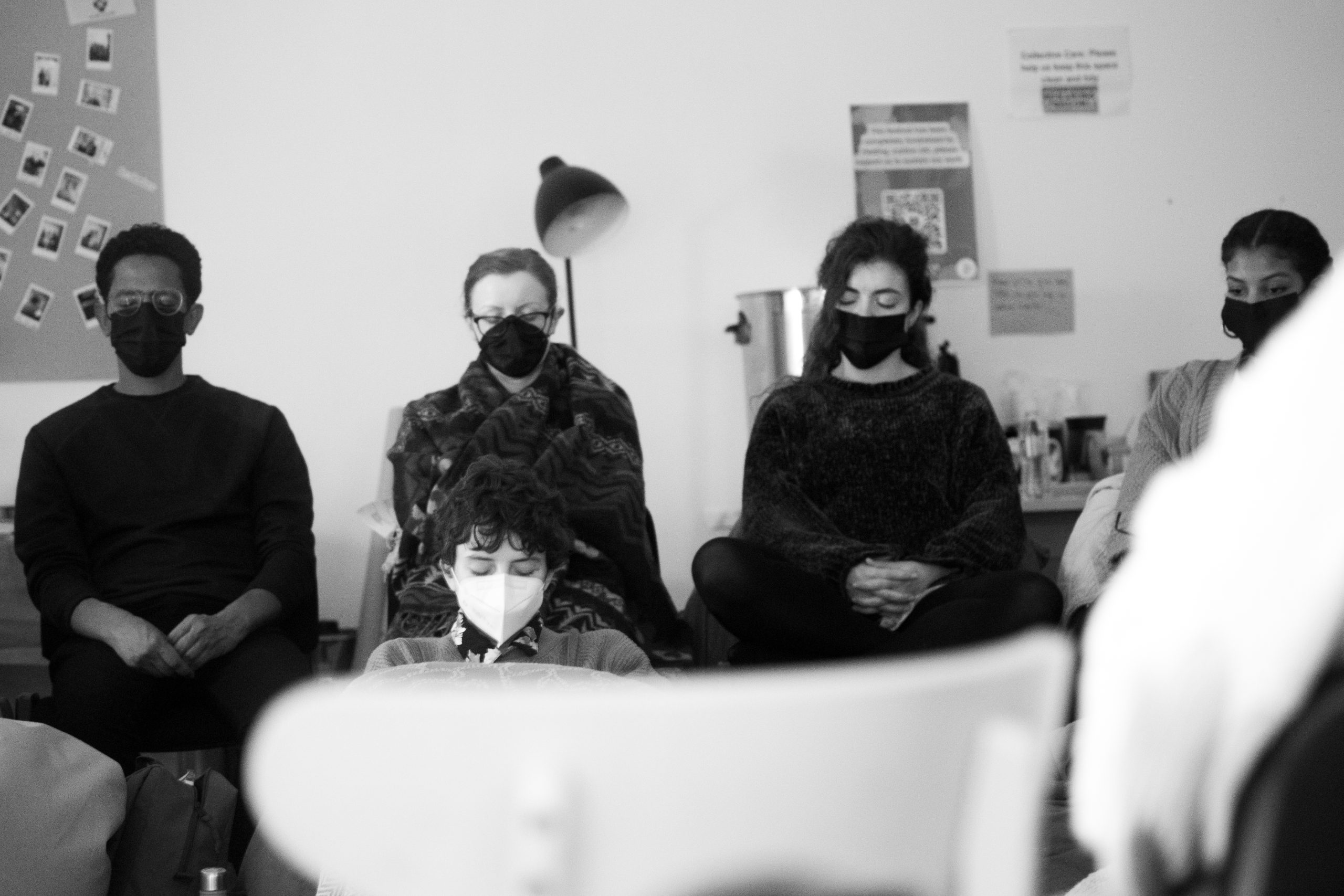
We knew we needed to think collectively, with people who already do research anchored in community and movements. To do this, we have created a community of practice focused on building capacity–within HJL and within our ecosystems–to imagine and rehearse collective research practice that practises accountability with and to communities and movements.
The CARE group is our way to rehearse ethical research as a collective practice. To think, feel and share together what ethics and accountability actually require in research that seeks to be in service to our communities, movements and broader liberation. It’s a place for us to grapple with what ethical commitments mean for critical organisations and projects — beyond formalised ethics processes — and to ask how ideas of care, responsibility, and accountability can be enacted in practice.
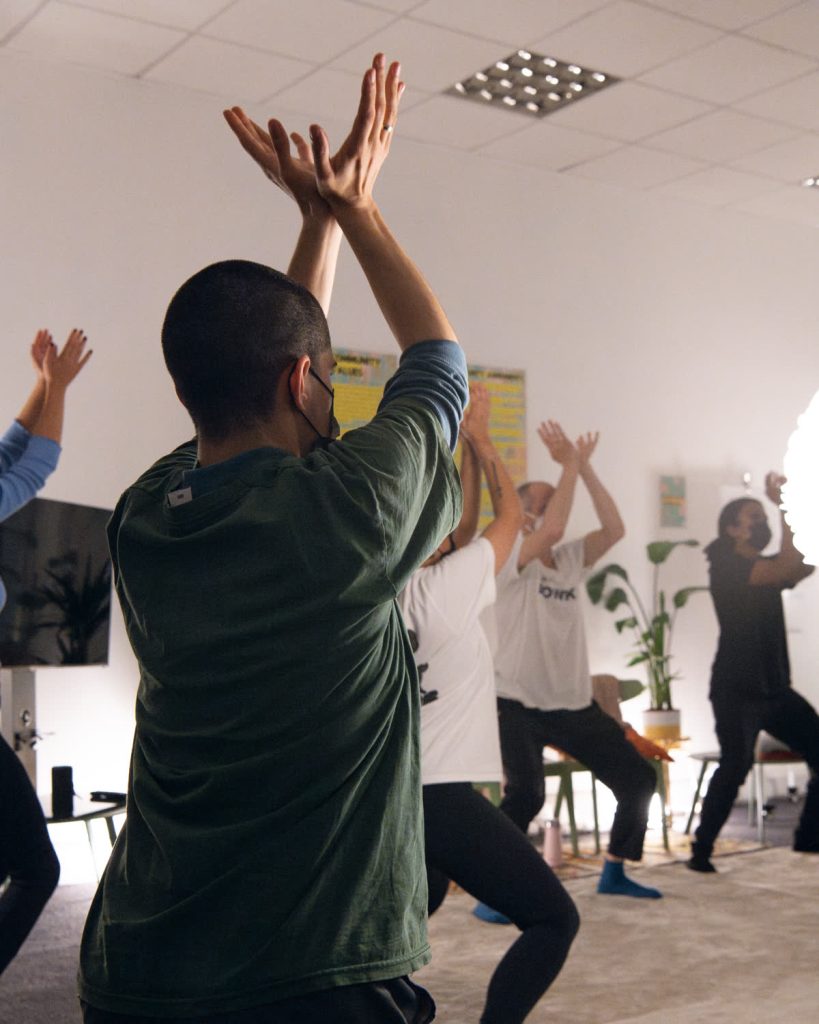

By bringing together multiple voices and experiences to develop collective sense-making, relationality and our entanglement stay integral to accountability. We are intentionally process-led – accountability and reflexive practice are what we do together as a group (how we are with each other) as well as what we create together (the outputs).
Our longer-term aim is to co-design and prototype a community-informed ethics accountability process. We want to do this as part of building infrastructure of accountability for research, to co-design processes of consent and community participation that will ensure alignment between our values at Healing Justice Ldn, project aims, methods, and how these interact with communities and movements. These processes will also make space to reflect on how research can centre and deepen dignity, safety and belonging.
What we’ve done so far and where we’d like to go next
Over our first six months together, we focused on collective sense making reflecting on research, ethics and accountability. We have noticed our tendency towards critique and around the constraints of ethical research within the neoliberal university and the extractive violence and coloniality of research.
And yet we feel under-resourced in imagining alternatives – even as a group of researchers from the borderlands and who have been already thinking differently and critically about research. We have made a shared commitment to make space for imagination. This is a muscle that we need to strengthen, to grow our capacities to imagine and practise ethics and accountability in ways not beholden to violent institutions.
Welfare State Violence: A Feature Not a Bug
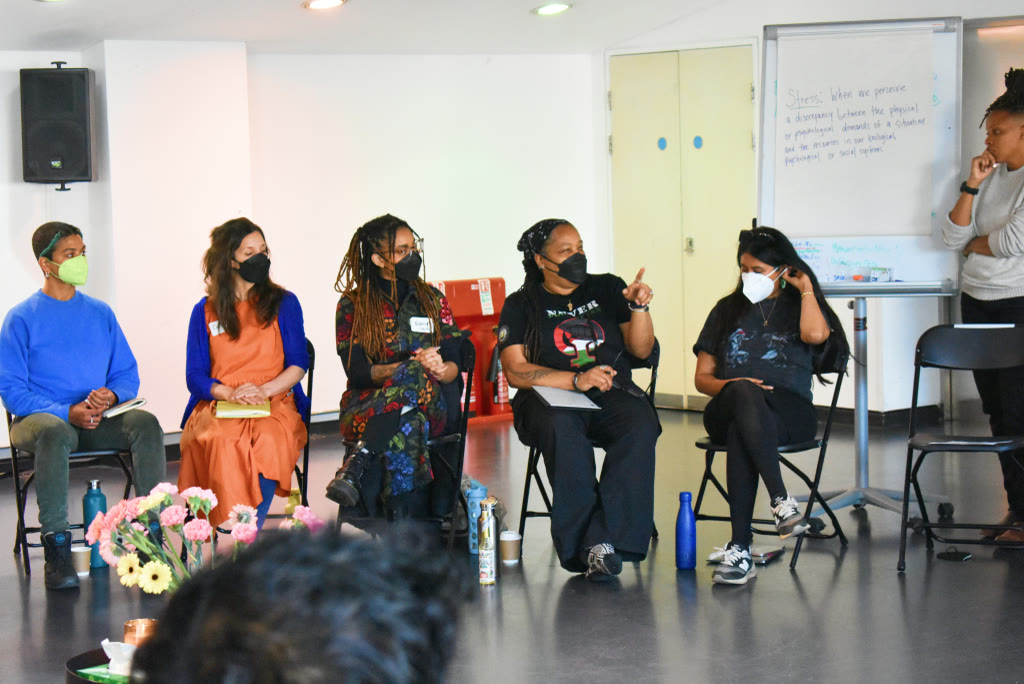
Learn more through a panel conversation between Derica Shields, China Mills, Tumu Johnson, Stella Dadzie and Gargi Bhattacharyya that explores the welfare state as one thread connected to a wider tapestry of state violence, which produces the premature sickness and deaths of poor, racialised and disabled people.
The panelists discuss how racial capitalism, eugenics and coloniality are designed into welfare state infrastructure, and why state violence is a feature of the welfare system, not a bug.
Over our first six months together, we focused on collective sense making reflecting on research, ethics and accountability. We have noticed our tendency towards critique and around the constraints of ethical research within the neoliberal university and the extractive violence and coloniality of research.
And yet we feel under-resourced in imagining alternatives – even as a group of researchers from the borderlands and who have been already thinking differently and critically about research. We have made a shared commitment to make space for imagination. This is a muscle that we need to strengthen, to grow our capacities to imagine and practise ethics and accountability in ways not beholden to violent institutions.
About Movement Medicine Talks
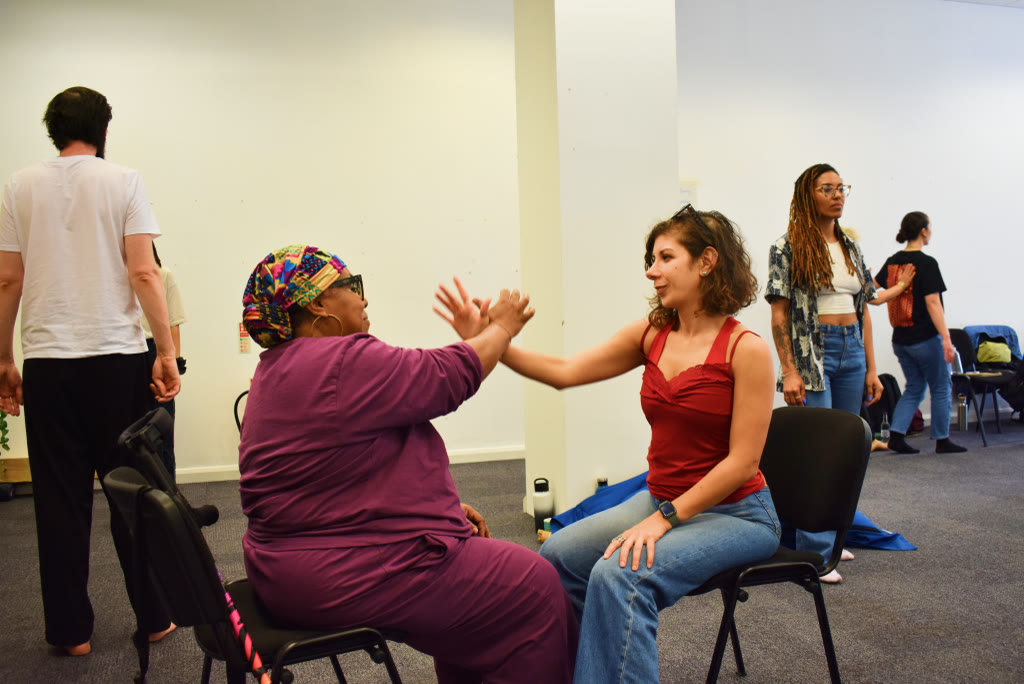
Movement Medicine Talks is a series with Nishma, our Movement Medicine Senior Programme Lead, and members of our Movement Medicine Teaching Training Programme cohort. The Movement Medicine programme works with movement leaders to:
- Explore the embodied skills, relationships and ways of being that support healing justice – building and extending trust, holding contradictions and complexity, visions for the future, holding the short and long term, consent, discernment and boundaries, and more.
- Develop a shared radical vision, analysis, and understanding to navigate our current conditions and politics, and to build together toward our vision.
- Explore and interrupt some of the trauma based reactions within movement culture- shift, from splitting to interdependence, from pulling each other down to building each other up, from criticising risk taking to celebrating experiments, and more.
- Understand how trauma healing serves movement building, sustained relationships and strategic experiments.
- Learn about conflict as generative – discerning our triggers, deepening trust and learning across conflict